




This is usually considered the most important of the financial statements, since it presents the operating results of an entity. Finally, any dividends declared or paid to shareholders during the period are subtracted. If $20,000 in dividends normal balance were paid, this amount is deducted from the running total. The resulting figure is the ending retained earnings balance, representing the accumulated earnings retained by the company at the end of the specified period.
How to Prepare a Retained Earnings Statement
- This statement provides insights into how a company’s management decides to allocate earnings between dividends and reinvestment.
- Let’s walk you through how Widget Inc.’s retained earnings come to life from mere numbers on a ledger.
- Following our example, Widget Inc. begins their fiscal year with retained earnings of $15,000.
- The statement of retained earnings therefore tells you whether your business has made a profit or loss over the period.
- Moreover, it’s one of the documents that investors scrupulously analyze when they want to gauge the company’s future profit potential.
The statement of cash flows presents the cash inflows and outflows that occurred during the reporting period. This can provide a useful comparison to the income statement, especially when the amount of profit or loss reported does not reflect the cash flows experienced by the business. This statement may be presented when issuing financial statements to outside parties. Investors want to see an increasing number of dividends or a rising share price.

What is the Matching Concept in Accounting
Some companies don’t have dividend payouts—in that case, there’s nothing to subtract. Before you can https://shop.fortuna.scnct.io/what-financial-statements-are-affected-by-2/ include the net income in your statement of retained earnings, you need to prepare an income statement. Net income is the company’s profit for an accounting period, calculated by subtracting operating expenses from sales revenue.
- Retained earnings will decrease if the company is loss making or pays dividends.
- Note that sole proprietorships, general partnerships, and single-member LLCs that don’t elect corporate taxation don’t have retained earnings per se.
- A company’s capital allocation strategy determines how net income and paid-in capital will be employed to maximize shareholder value.
- The ending retained earnings for the period is $65,000, which will be carried forward to the balance sheet.
- But, don’t forget, dividends are a slice out of your profit pie, directly nibbling away at your retained earnings.
How to find retained earnings on a company’s balance sheet

Changes in accounting principles, estimates, or reporting entities require careful handling to maintain reliability. When adopting a new accounting principle, companies must retroactively adjust prior financial statements as though the principle had always been applied, ensuring comparability across periods. This process, mandated by FASB’s Accounting Standards Codification (ASC) 250, allows stakeholders to assess performance without distortions. Include the statement of retained earnings reports the amount: both cash dividends and stock dividends distributed to shareholders.
- Net income (or loss) is the amount of your business’s revenue minus expenses.
- Below is a short video explanation to help you understand the importance of retained earnings from an accounting perspective.
- The statement includes beginning retained earnings, adds net income (or subtracts net loss), subtracts dividends paid, and calculates the ending retained earnings balance.
- It also serves as the link between the Income Statement and the Balance Sheet where profits and losses are passed from the Income Statement to the Balance Sheet equity accounts.
- In between the opening and closing balances, the current period net income/loss is added and any dividends are deducted.
- The interconnectedness of these statements provides a picture of a company’s performance, financial position, and cash movements.
The dividend payout ratio, which measures the proportion of earnings distributed, reveals a company’s approach to profit allocation. A high ratio may indicate limited reinvestment, while a low ratio suggests a focus on expansion. Changes in dividend policy can signal shifts in corporate strategy or financial condition. In contrast, a retained earnings statement focuses solely on the changes in retained earnings over a specific accounting period. A statement of retained earnings typically includes the beginning retained earnings balance, net income (or loss) for the period, dividends paid to shareholders, and the ending retained earnings balance.
- (Investors can utilise this information to align their investment plan with management’s strategy.
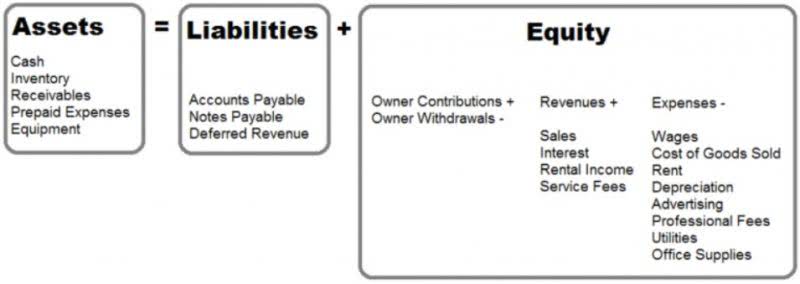
- The balance sheet presents the assets, liabilities, and equity of the entity as of the reporting date.
- Companies might have restrictions due to loan agreements or legal regulations that limit their ability to distribute retained earnings as dividends or payments to shareholders.
- This isn’t just accounting; it’s strategic communication that reinforces shareholder confidence and underscores the company’s potential.
- The statement shows the retained earnings at the beginning of the year, net income or loss generated in that year, and how much was paid out in dividends.
- Net income is found on your company’s profit and loss statement (also called an income statement).

This money can be used for general operations, reinvested in the business without a specific formal appropriation, or distributed to shareholders. Dividends, which reduce retained earnings on this statement, also appear on the Statement of Cash Flows. Cash dividends paid to shareholders are reported under the financing activities section of the Statement of Cash Flows. This highlights how a company allocates its cash, either by reinvesting profits or returning them to investors. The interconnectedness of these statements provides a picture of a company’s performance, financial position, and cash movements.